
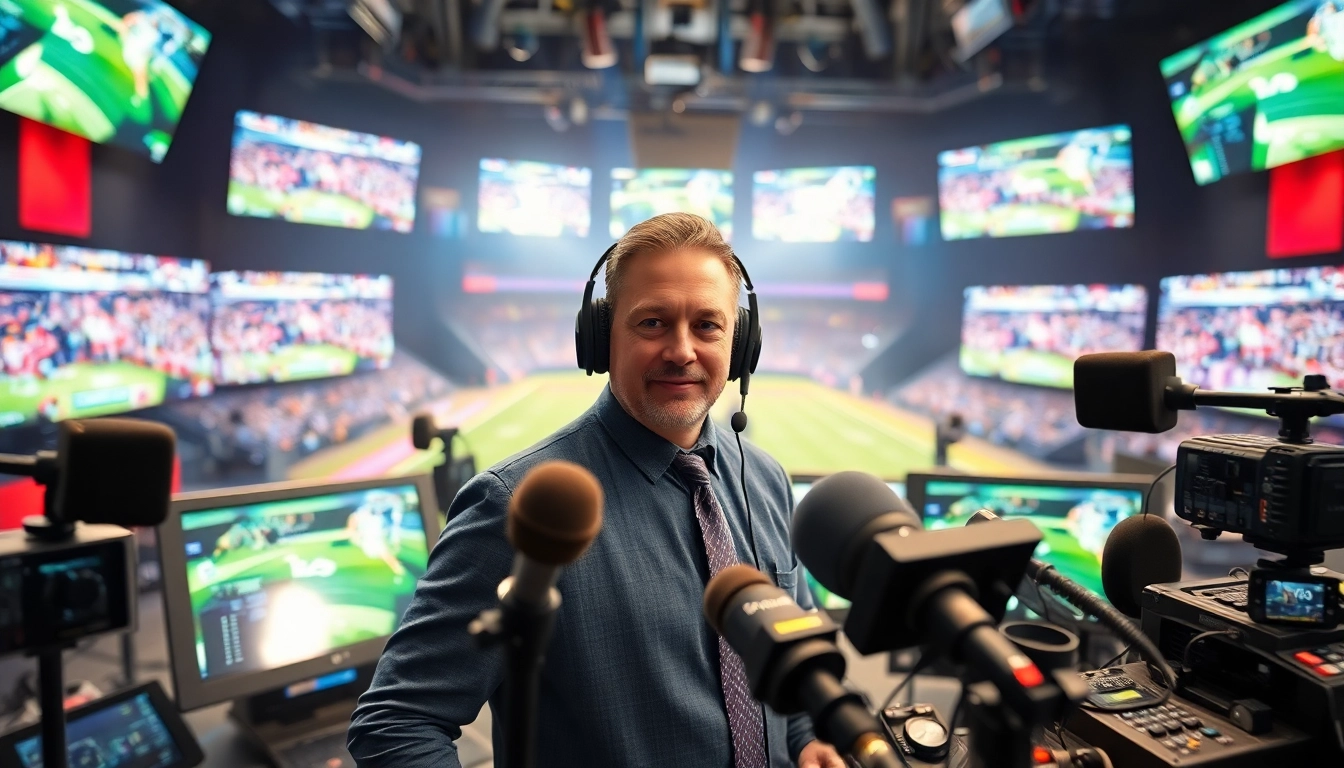
Understanding the Fundamentals of Sports Broadcasting
What is Sports Broadcasting?
Sports broadcasting refers to the distribution of sports-related content through various channels to engage viewers and listeners. It encompasses live play-by-play commentary, analysis, interviews, and highlight reels, all aimed at providing audiences with real-time updates and entertainment. Broadcasted through television, radio, and online platforms, effective sports broadcasting not only informs but also entertains sports enthusiasts and casual viewers alike, creating a dynamic environment for viewer interaction. Today, Sports Broadcasting plays a vital role in the commercial aspect of sports by generating revenue for teams and leagues while fostering fan loyalty.
The Evolution of Sports Broadcasting
Over the decades, sports broadcasting has undergone a significant transformation. Originally, games were only available through local radio stations and only reached listeners within a limited area. The introduction of television in the mid-20th century revolutionized the way sports were consumed. Iconic moments, such as the first televised baseball game in 1939, set the stage for a booming industry.
As technology progressed, cable television expanded viewers' choices, allowing for 24-hour sports coverage. The advent of the internet further propelled this evolution by introducing streaming services, enabling fans to access games and highlight reels on-the-go. Social media platforms now facilitate real-time engagements, where fans can discuss plays, share reactions, and interact with commentators and athletes directly, leading to a more personalized viewing experience. Today, sports broadcasting is a multi-billion dollar industry that continues to evolve with advancements in technology and shifts in viewer preferences.
Key Roles in Sports Broadcasting
Sports broadcasting involves various key roles, each contributing to the overall production of content. Primarily, the roles include:
- Commentators: They provide live commentary during events, adding context and excitement to the action.
- Analysts: Experts who dissect the game, offering insights and strategies to help viewers understand the nuances of play.
- Producers: Responsible for the overall production, they manage camera operators, graphics, and sound to ensure a seamless viewing experience.
- Technicians: They maintain equipment and ensure the broadcast runs smoothly, handling technical challenges as they arise.
- Reporters: These individuals cover stories related to teams, athletes, and events, conducting interviews and providing updates.
Essential Equipment for Effective Sports Broadcasting
Types of Broadcasting Equipment Needed
Successful sports broadcasting relies heavily on the right equipment. Essential tools required include:
- Cameras: High-definition cameras provide great quality for broadcasting live sports events. Different angles enhance audience engagement.
- Microphones: Quality microphones pick up commentary and crowd noise, making for a more engaging viewer experience.
- Mixing Consoles: Used for audio management, these devices balance various audio inputs to ensure clarity during broadcasts.
- Graphics Software: Incorporates real-time statistics and infotainment, enhancing storytelling and audience understanding.
- Streaming Platforms: Essential for delivering content across digital channels, they make broadcasts accessible to a broader audience.
Setting Up Your Broadcasting Studio
Creating an effective broadcasting studio involves strategic organization and configuration of equipment:
- Location: Select a location with good acoustics, minimizing background noise for clearer audio.
- Lighting: Proper lighting enhances video quality; consider adjustable LED lights for versatile settings.
- Layout: Create a layout that facilitates smooth movement and access to equipment for the commentator, technicians, and guests.
- Testing: Conduct thorough equipment tests before each broadcast to identify potential issues.
- Software Setup: Ensure that all software interfaces, including graphics and audio mixing, are user-friendly and optimized for performance.
Maintaining Equipment for Optimal Performance
Regular maintenance of broadcasting equipment is critical for reliable performance. Important steps include:
- Cleaning: Regularly clean cameras and microphones to prevent dust and grime build-up that can affect quality.
- Software Updates: Keep all software updated to leverage improvements and security features.
- Calibration: Regularly calibrate equipment to ensure accuracy in audio and video quality.
- Backup Equipment: Always have backup equipment on standby in case of failures during live broadcasts.
- Training: Continuously train staff on equipment use and troubleshooting techniques to minimize disruptions.
Techniques to Improve Sports Broadcasting Quality
Best Practices for Live Commentary
Delivering engaging live commentary requires specific techniques to captivate and hold viewer attention:
- Preparation: Review team stats, players, and previous encounters to provide context and insights during the broadcast.
- Voice Control: Maintain an energetic tone and vary speech patterns to match the excitement level of the event.
- Active Listening: Listen to co-commentators and adjust commentary based on their insights to create a collaborative atmosphere.
- Encouraging Viewer Interaction: Prompt viewers to share their thoughts and feedback in real-time, creating an engaging environment.
Utilizing Graphics and Effects
Graphics play a crucial role in enhancing the viewing experience. Here are some tips for effective use:
- Consistent Branding: Use consistent colors and logos across the graphic interface to maintain brand identity.
- Real-time Statistics: Display live stats to keep viewers informed of scores, player performance, and other critical metrics.
- Highlight Reels: Use lower-thirds graphics for player names and stats during commentary to provide supporting context easily.
- Animations: Intelligent use of animations can draw attention to pivotal moments without distracting from the action.
Engaging with Viewers in Real-time
Real-time engagement with viewers enhances their overall experience. Effective techniques include:
- Social Media Interaction: Use platforms like Twitter and Instagram to encourage viewer participation and live Q&A sessions.
- Polling and Feedback: Leverage real-time polling to ask viewers for their opinions on controversial calls or outcomes as the game progresses.
- Shout-outs: Acknowledge and respond to audience comments or questions during broadcasts to foster community involvement.
- Streaming Platforms: Use integrated streaming features that allow viewers to interact with commentators during the live event.
Creating Compelling Sports Broadcasting Content
Storytelling in Sports Broadcasting
Effective storytelling captivates audiences and keeps them engaged. Key components include:
- Character Development: Introduce the personalities involved in the game, showcasing their motives and histories.
- Conflict and Resolution: Frame moments of tension, such as rivalries and critical plays, to enhance dramatic effect.
- Visual Storytelling: Use video clips and graphics to complement narratives, illustrating key moments effectively.
- Audience Connection: Share stories about fans, families, and communities that connect with the sport, adding a personal touch to the broadcast.
Interview Techniques for Executing Engaging Content
Interviews can greatly enrich sports coverage. Effective strategies involve:
- Preparation: Research the interviewee to ask informed questions that elicit thoughtful responses.
- Open-ended Questions: Ask questions that encourage interviewees to share their experiences rather than simple yes/no answers.
- Active Listening: Pay attention to responses, allowing for follow-up questions that may lead to more insightful exchanges.
- Creating Comfort: Establish a relaxed environment to help interviewees feel comfortable sharing their thoughts.
Using Social Media to Expand Audience Reach
Leveraging social media platforms can help broadcasters maximize their reach. Strategies include:
- Live Updates: Share live updates during events to keep followers engaged in the action, even if they're not watching live.
- Behind-the-scenes Content: Offer followers a look behind the curtain, sharing stories and preparation glimpses from the broadcast.
- User-Generated Content: Encourage followers to share their experiences and reactions to broadcasts, which can be featured in future content.
- Collaborations: Partner with influencers or other platforms to host joint events that attract diverse audiences.
Measuring Success in Sports Broadcasting
Key Performance Indicators for Broadcasting
To gauge the effectiveness of sports broadcasting, it's essential to track several key performance indicators (KPIs), such as:
- Viewership Numbers: Measure the number of viewers tuning into broadcasts as a fundamental success metric.
- Engagement Rates: Track likes, shares, comments, and interaction levels during live events to assess audience engagement.
- Retention Rates: Analyze how many viewers stay tuned throughout the event versus those who drop off.
- Sponsorship Revenue: Evaluate the financial aspect of broadcasts by assessing partnerships and sponsorship income.
Analyzing Audience Engagement
Understanding audience engagement is critical for refining future strategies. Effective methods include:
- Surveys and Feedback: Conduct viewer surveys post-broadcast to gather insights on viewer satisfaction and preferences.
- Analytics Tools: Utilize analytics platforms to track viewer behavior, including when they engage most and drop off.
- Social Media Metrics: Monitor social media interactions related to broadcasts to understand audience sentiment and engagement levels.
Adapting Strategies Based on Feedback
Implementing changes based on audience feedback is crucial for ongoing success. Here are effective strategies:
- Review Feedback Regularly: Establish a routine for reviewing viewer feedback, identifying common themes and areas for improvement.
- Implement Changes Gradually: Test new strategies on a small scale before full implementation to measure effectiveness.
- Continuously Monitor Performance: Evaluate how changes affect KPIs, adapting as necessary to maximize viewer satisfaction and engagement.
Frequently Asked Questions about Sports Broadcasting
What skills do I need for sports broadcasting?
Essential skills include strong communication, storytelling, analytical thinking, and technical proficiency in broadcasting equipment.
How do viewers engage with sports broadcasts?
Viewers engage through live commentary, social media interactions, polls, and by sharing reactions with friends and family.
What role does technology play in sports broadcasting?
Technology enhances production quality, enables live streaming, and facilitates audience engagement through interactive features and analytics.
How do I build a career in sports broadcasting?
Start by gaining relevant education or experience through internships, networking within the industry, and building a personal brand via online platforms.
What are the future trends in sports broadcasting?
Future trends include increased use of VR/AR, personalized content delivery via AI, and an emphasis on interactive and engaging viewer experiences.