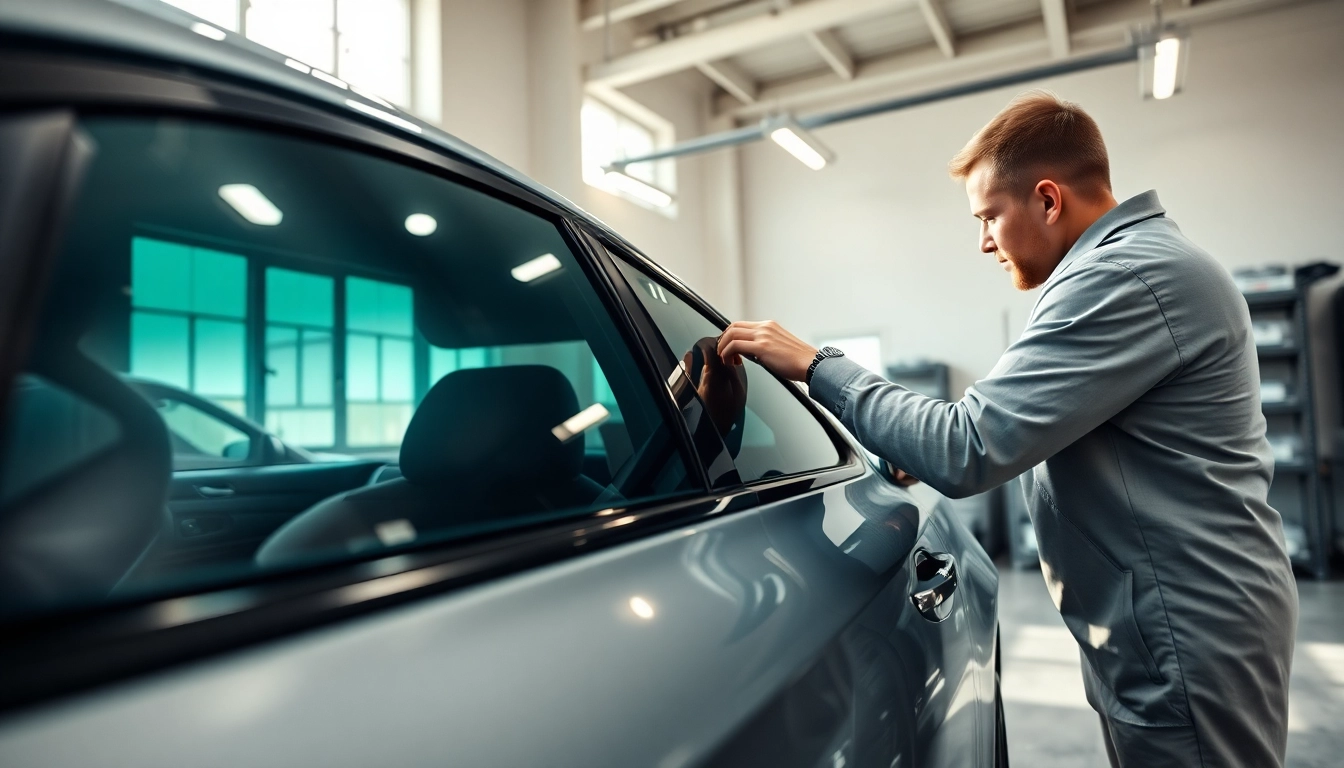
The Importance of Window Tinting Cleveland TN
In today's fast-paced world, maintaining comfort and style in your vehicle is more crucial than ever. One of the most effective ways to achieve both is through window tinting. Not only does it enhance the vehicle's aesthetic appeal, but window tinting Cleveland TN provides an array of functional benefits that can significantly improve your driving experience. In this article, we will delve deep into the world of window tinting, outlining its benefits, types, legal considerations, professional installation tips, maintenance advice, and much more.
What Is Window Tinting?
Window tinting is the process of applying a thin film to the windows of a vehicle to reduce solar heat, glare, and ultraviolet (UV) exposure. This film is available in various shades and materials, catering to different aesthetic preferences and functional needs. It’s important to understand that not all window tints are created equal; the level of heat rejection, UV protection, and aesthetic appeal can vary dramatically between products. The application of this film is often performed by professionals to ensure durability and compliance with local regulations.
Benefits of Window Tinting
Investing in window tinting offers numerous advantages that can significantly enhance your driving experience and protect your investment:
- Heat Reduction: Window tint can reduce the internal temperature of your vehicle by blocking a substantial percentage of solar heat.
- UV Protection: Tinted windows can filter out up to 99% of harmful UV rays, protecting your skin and reducing the fading of your vehicle's interior.
- Improved Privacy: A darker tint provides added privacy for you and your passengers, deterring prying eyes from valuables left in the vehicle.
- Reduced Glare: Tinting minimizes glare from sunlight and headlights, which enhances driving comfort, particularly during different times of day.
- Enhanced Aesthetics: Tinted windows give your vehicle a sleek, polished look that can enhance its overall value and appeal.
- Shatter Resistance: The film can act as a protective layer in case of an accident, reducing the risk of glass shards injuring passengers.
How Window Tinting Works
The science behind window tinting involves the composition of the film. Most tints are made from polyester, which is infused with a special dye or metal blend that determines the tint's light absorption and reflection properties. When sunlight hits the tinted window, the film absorbs a portion of the heat and UV rays, drastically decreasing the amount of energy that penetrates into the vehicle. High-quality films often feature multiple layers, improving heat rejection and durability. Understanding how these materials interact with sunlight can guide you in choosing the right tint for your needs.
Choosing the Right Tint for Your Vehicle
Types of Window Tint
Choosing the right window tint means understanding the different types available and their specific benefits:
- Dye-Based Tints: These tints use dye to impart color, reducing glare and providing privacy. However, they tend to fade over time.
- Metalized Tints: These films contain metallic particles, enhancing durability and providing superior heat rejection. They do, however, interfere with electronic signals.
- Hybrid Tints: As the name suggests, these films combine dye and metal to balance aesthetics with performance, providing decent heat rejection without signal interference.
- Ceramic Tints: The newest technology utilizes ceramic particles that offer excellent heat rejection without affecting visibility or electronic signals. They are more expensive but often worth the investment.
Legal Considerations of Window Tinting Cleveland TN
Before you decide on the level of tint you want for your vehicle, it’s crucial to be aware of local laws and regulations about window tinting in Cleveland TN. Each state has specific regulations governing the darkness (VLT – Visible Light Transmission) and reflectivity of window tints. These regulations exist to ensure visibility for both the wearer and law enforcement. Generally, front windshields must allow more light than back windows, and some tints that are legal in other areas might not pass in Cleveland TN. Always check local guidelines before making a purchase, as violations can result in fines or the need for removal.
Color and Shade Options
The aesthetic aspect of window tinting is just as important as its functional benefits. Various shades range from barely noticeable (about 90% VLT) to extremely dark (around 5% VLT). Some common shade options include:
- Light Tint: Often used for front windows to reduce glare subtly while maintaining visibility.
- Medium Tint: Offers a more noticeable effect that provides better privacy without severely compromising visibility.
- Dark Tint: Ideal for maximum privacy and sun protection, but be cautious as regulations may limit how dark you can go on certain windows.
Getting Professional Window Tinting Cleveland TN
Finding Experienced Installers
Quality installation is vital for the longevity and effectiveness of window tint. While there are DIY kits available, it is often recommended to seek professional services to ensure the best results. When seeking installers, consider the following:
- Reviews and Testimonials: Research local tint shops online to get an understanding of their workmanship.
- Experience and Certifications: Ensure that the technicians are certified and have extensive experience in window tinting.
- Warranty: Verify if they offer a warranty on their work and the types of films they use, as quality films should come with a warranty against fading or peeling.
Cost Factors for Professional Tinting
The cost of window tinting can vary widely based on several factors:
- Type of Tint: Higher quality films often come with a higher price tag, especially ceramic tints.
- Vehicle Size: Larger vehicles typically cost more to tint due to the increase in material and labor required.
- Number of Windows: The more windows you want tinted, the more expensive the job will be overall.
- Location: Depending on the regional cost of labor and materials, prices can vary. Expect to spend anywhere from $100 to over $400.
What to Expect During Installation
Professional installation of window tinting generally varies in time, often taking anywhere from 1 to 4 hours depending on the complexity of the job. Here’s an overview of what to expect:
- Preparation: The technician will clean the windows thoroughly to ensure no dust or debris interferes with the tinting process.
- Cutting the Film: Film may be precut, or technicians may cut it on-site for a perfect fit to your windows.
- Application: The film is applied, using a solution to allow for adjustments. Technicians will work out any bubbles and ensure a tight fit.
- Curing Time: After installation, the film will need time to cure, during which you should avoid rolling down windows or exposing them to water.
Maintaining Your Window Tint
Cleaning and Care Tips
Proper maintenance can prolong the life and effectiveness of your window tint. Here are some essential care tips:
- Use ammonia-free solutions: Ammonia can degrade the tint film over time, so opt for a cleaner specifically designed for tinted windows.
- Soft microfiber cloths: Always use soft cloths to avoid scratches on the tinted surface.
- Avoid pressure washing: High-pressure water can damage the edges of the tint, so it’s best to clean by hand.
Signs Your Tint Needs Replacement
Knowing when to replace your window tint can save you time and hassle. Common indicators include:
- Fading: If your tint has significantly lightened or lost its color, it may be time for a replacement.
- Peeling or bubbling: This often indicates poor installation or subpar quality materials.
- Scratches: Excessive scratching can lessen both visibility and aesthetic value.
Longevity of Various Tint Types
The lifespan of window tints can vary based on quality and material type. Generally,:
- Dye-Based Tints: 5 to 7 years.
- Metalized Tints: 8 to 10 years.
- Hybrid Tints: 10 to 12 years.
- Ceramic Tints: 15 years or more with proper maintenance.
FAQs About Window Tinting Cleveland TN
What are the benefits of window tinting?
Window tinting reduces heat, blocks UV rays, and adds privacy while enhancing the vehicle's look.
Is window tinting legal in Cleveland TN?
Yes, but there are specific regulations regarding darkness and reflectivity. Always check local laws.
How long does window tinting last?
With proper care, high-quality window tints can last anywhere from 5 to 15 years.
Can I tint my own windows?
While DIY is possible, professional installation ensures better quality, longevity, and adherence to regulations.
What maintenance does window tinting require?
Regular cleaning with ammonia-free solutions and avoiding excessive sun exposure can prolong tint life.